





How much is my coin worth?
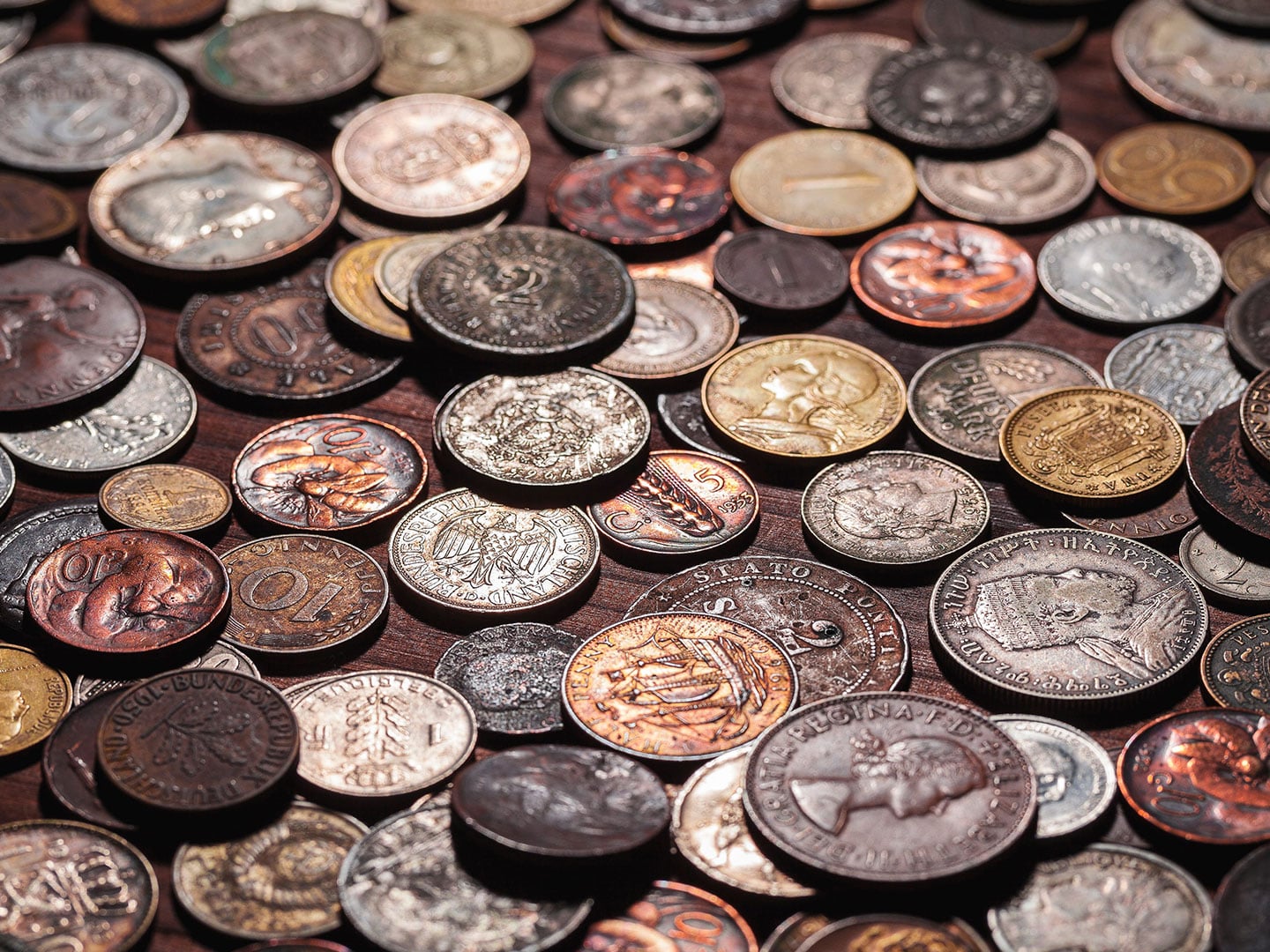
One of the most common questions in coin collecting is also one of the most difficult to answer: How much is my coin worth?
Whether you’ve inherited a collection, discovered an old coin in a drawer, or are actively building a collection, understanding what gives a coin value is essential.
Coin prices are shaped by a combination of historical factors, market demand, physical condition, and professional assessment. This is why two coins that look similar at first glance can vary dramatically in value.
In this guide, we explain how coin values are determined, what role rarity and condition play, and how grading can affect both price and confidence when buying or selling.
What makes a coin valuable?
A coin’s value is not based on age alone. Many centuries‑old coins are relatively common and affordable, while some modern issues can be surprisingly valuable.
In reality, coin values are established by the interaction of three core elements: rarity, condition, and demand.
Understanding how these elements work together will help you make sense of price differences and avoid common collecting mistakes.
1. Rarity: How many exist today?
Rarity refers not only to how many coins were originally minted, but how many survive today in collectable condition. A coin with a high production number can still be rare if most examples were melted, heavily circulated, damaged, or otherwise lost over time.
Coins may be considered rare because they had a low original mintage, they were withdrawn from circulation early, large numbers were melted for bullion value, and few high‑quality examples remain.
Importantly, rarity on its own does not guarantee high value. A scarce coin that collectors aren’t actively seeking may remain undervalued, while a coin with moderate rarity but strong collector interest may command impressive prices. True rarity is best understood as scarcity combined with demand.
2. Condition: Why grading matters so much
Condition – commonly referred to as grade – is one of the most powerful factors affecting a coin’s value. Collectors generally prefer coins that show minimal wear, sharp design details, clean surfaces, and strong visual appeal. Even small differences in condition can result in significant price changes.
For example, the same coin might be worth close to face value if heavily worn, worth several hundred dollars in very fine condition, worth thousands if uncirculated or near‑perfect.
Because condition plays such a critical role, experienced collectors often prioritise quality over quantity, choosing fewer high‑grade coins rather than many lower‑grade examples.
3. Demand: What collectors are willing to pay
Demand is what ultimately determines whether a coin’s rarity and condition translate into real market value. Collectors may be drawn to coins because of historical events or periods, national or cultural significance, iconic designs or portraits, series completeness, precious metal content, current collecting or investment trends.
Demand also fluctuates over time. Coins that attract strong interest today may cool in popularity later, while an overlooked series can suddenly become sought after. This is why experienced collectors regularly monitor auction results rather than relying on static price guides alone.
What is coin grading?
Coin grading is the professional assessment of a coin’s physical condition, expressed using a standardised numerical scale, most commonly the Sheldon 1–70 scale. It provides a shared language that allows collectors and dealers worldwide to compare coins objectively.
Grading considers factors such as wear, sharpness of detail, surface marks and overall visual appeal. Because even small differences in condition can significantly affect value, particularly for rare or high‑grade coins, independent grading helps establish confidence, consistency and transparency when buying or selling.
How much is my coin worth?
To estimate a coin’s value, ask:
- What exactly is the coin (year, country, mint, type)?
- How rare is it?
- What condition is it in?
- Is it graded or raw?
- What have similar coins actually sold for?
The most reliable indicators of value come from recent auction results, completed sales from reputable dealers and marketplaces showing confirmed transactions.
Further assistance in determining the value of your coins is also available in these useful reference guides:
- 2025 The Layman’s Guide to Australian Coin Values E-book,
- 33rd Ed. Rennicks Australian Coin and Banknote Values
- 3rd Ed. Rennicks Australia Pre-Decimal Coin Varieties Book.
While the formal process of grading can vary across the global numismatic community, Australian numismatic specialists will grade a coin using either the International Sheldon Scale or the Australian Adjectival System, both of which offer a grading range from FDC (Fleur De Coin) being in ‘absolute, flawless mint condition’ through to PO-1 (Poor) at the opposite end of the scale.
In summary, if a coin appears valuable, unusual, or difficult to identify, consult a professional numismatist or reputable dealer to help you identify what your coin is worth.
The Perth Mint has an established network of authorised coin wholesalers and dealers worldwide. Find a distributor in your country here. We also recommend the services of Sterling and Currency located in Fremantle, Western Australia.

